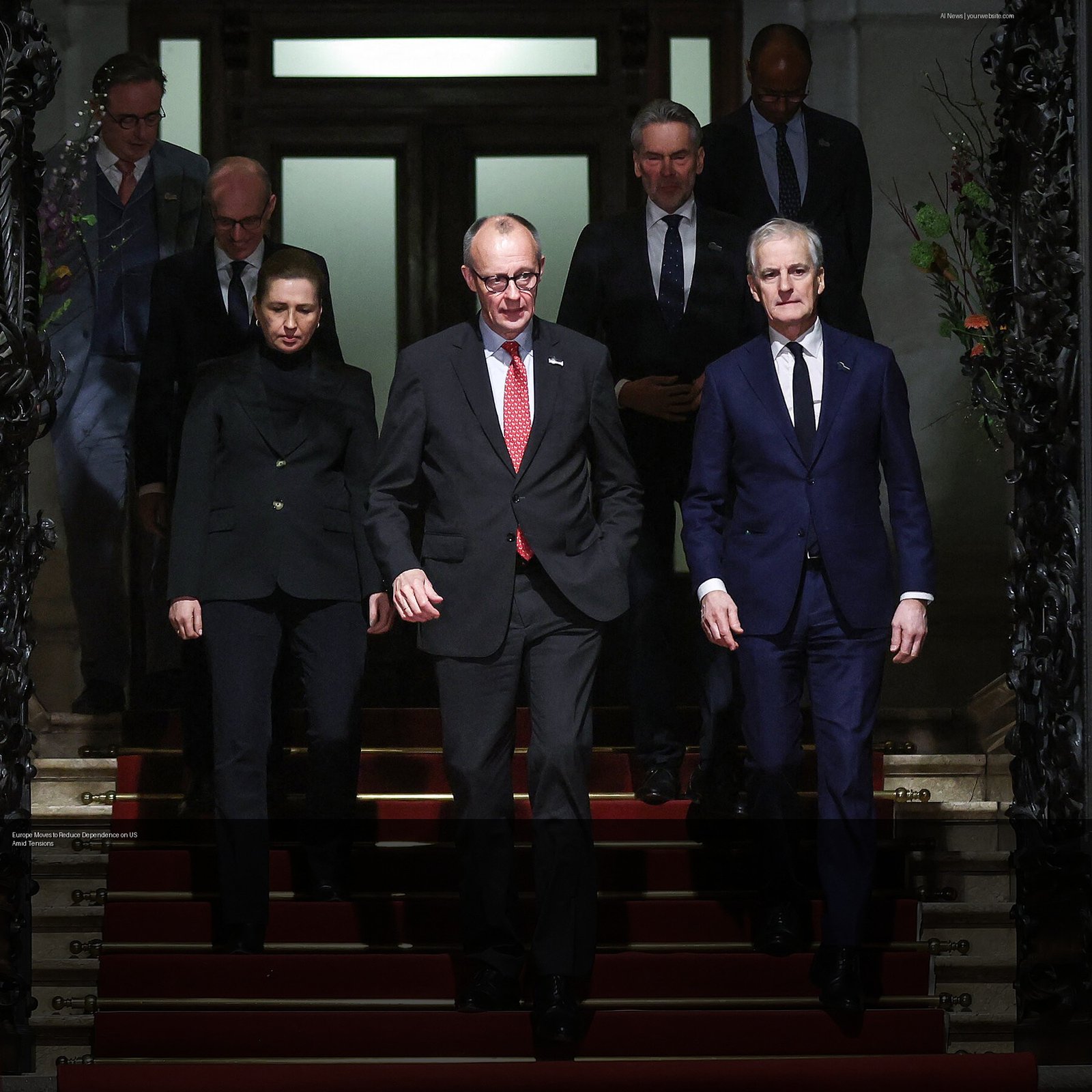
Since President Trump made threats about Greenland, the continent’s leaders have debated the rapid deterioration of U.S. ties in policy papers and at dinner. The European Union, which includes 27 member states, has long been a key partner for the United States, but recent actions by the Trump administration have strained their relationship. The most notable example is the threat to withdraw U.S. forces from Germany, which sparked a heated debate among European leaders about the future of their defense cooperation with the United States.
The European Union’s foreign policy chief, Josep Borrell, has been at the forefront of efforts to strengthen the bloc’s defense capabilities and reduce its dependence on the United States. In a speech last year, Borrell emphasized the need for Europe to take responsibility for its own security and to develop its own defense capabilities. He also called for greater cooperation among European countries to address global challenges, such as climate change and pandemics.
The European Commission, the executive arm of the European Union, has also taken steps to reduce the bloc’s dependence on the United States. In a recent report, the Commission outlined a strategy for the bloc to become more self-sufficient in areas such as defense, energy, and technology. The report highlighted the need for Europe to invest in research and development, as well as to promote greater cooperation among its member states.
The move by Europe to reduce its dependence on the United States is not just about politics; it’s also about economics. The Trump administration’s trade policies have led to a decline in U.S. exports to Europe, which has had a significant impact on the global economy. European leaders are looking for ways to diversify their trade relationships and to reduce their reliance on the United States.
In addition to its economic interests, Europe is also driven by a sense of security and stability. The continent has experienced several major conflicts in the past, including World War II and the Yugoslav Wars. European leaders are concerned that the Trump administration’s actions could lead to a more unstable world, which would have significant consequences for their countries.
The European Union’s efforts to reduce its dependence on the United States are not without challenges. The bloc faces significant budget constraints, which limit its ability to invest in defense and other areas. Additionally, there are concerns about the feasibility of developing a more independent European defense policy, given the historical ties between the United States and Europe.
Despite these challenges, European leaders are committed to reducing their dependence on the United States. They recognize that a more independent Europe is not only good for their countries but also for the global community. The European Union’s efforts to strengthen its defense capabilities and promote greater cooperation among its member states are an important step towards a more secure and stable world.
Disclaimer: This content is AI-generated for informational purposes.
Original Source: NY Times
For more updates, visit: YourWebsite.com