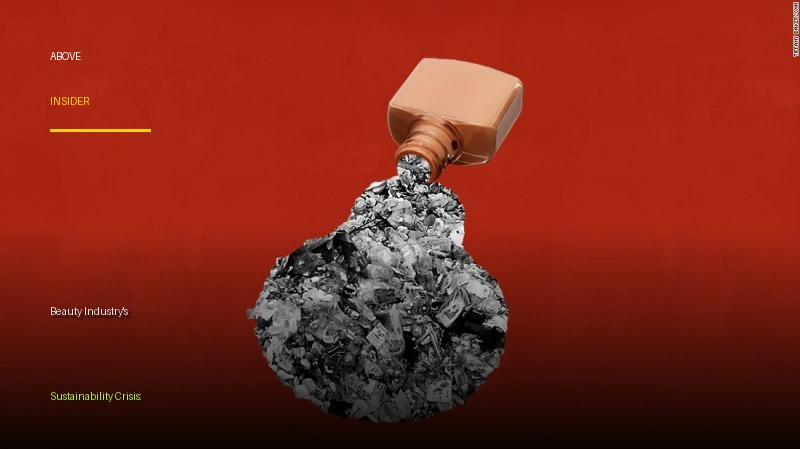
Sustainability is the Key to Unlocking the Beauty Industry’s Future
The $500 billion beauty industry is facing a daunting challenge: sustainability. As consumers become increasingly aware of the environmental impact of their purchasing decisions, the industry is under pressure to adopt eco-friendly practices and reduce its carbon footprint.
According to a study by Simon Kucher, 60% of consumers worldwide rate sustainability as an important purchase criterion, and 35% are willing to pay more for sustainable products or services. This shift in consumer behavior has propelled many beauty brands to set environmental goals, such as moving away from single-use plastics, providing recyclable and reusable packaging, and offering transparency around product ingredients.
However, consumers still struggle to understand the sustainability credentials of many products, due to the industry’s inconsistent clean-up efforts and lack of standardized regulations. The British Beauty Council has called on the industry to have ‘the courage to change’ its business practices and adopt more transparent and sustainable methods.
Ingredient and branding transparency are key areas of concern, with no international standard for product ingredient information. Brands often use marketing language like ‘clean beauty’ to make their products seem natural, when they may not actually be organic, sustainable, or ethically made. The British Beauty Council CEO, Millie Kendall, warns that such buzzwords are losing traction among consumers, who need better marketing information and certification to make informed choices.
Unpacking the Plastics Problem
The beauty industry’s plastic packaging is a significant sustainability challenge, with 95% of packaging thrown away and the majority not recycled. The industry is the fourth biggest plastic packaging user globally, with plastic accounting for 67% of packaging volume. Beauty giant L’Oreal used 144,430 metric tons of plastic in its packaging material in 2021, while Estee Lauder Companies reported 71,600 metric tons of plastic in product packaging.
Many brands are trying to phase out harmful plastics from their operations and adopt post-consumer recycled (PCR) plastic. However, PCR plastic is not easy to find due to low recycling rates and high demand, which drives up its price. Hair care brand FEKKAI claims to use up to 95% PCR content in its packaging, but faces challenges in sourcing and pricing.
The Weight of Retail
Beauty retailers play a pivotal role in influencing the industry’s sustainability efforts, with control over stocking decisions and supply chains. However, many retailers vary in the standards they set for brands they sell, with smaller businesses often being more proactive in adopting sustainable practices. Sephora’s ‘Clean + Planet Positive’ initiative and Target’s ‘Target Zero’ program are examples of retailers taking steps to promote sustainability in the industry.
Despite these efforts, the industry still faces significant challenges in addressing waste and pollution generated throughout supply chains, manufacturing, and shipping. Certifications like B Corp can help fill the gaps in standardization, but governments and multinationals enforcing regulations and setting a baseline for brands to operate from are essential to driving change.
The Future of Sustainability in the Beauty Industry
The beauty industry’s sustainability crisis is a wake-up call for brands and retailers to adopt eco-friendly practices and reduce their environmental impact. As consumers become increasingly aware of the importance of sustainability, the industry must respond with transparency, accountability, and a commitment to reducing waste and pollution.
Source: CNN